
Jun
25

Bollywood isn’t all glitter and song-and-dance anymore. Behind the dance sequences and slow-motion drama, a quiet revolution is unfolding, powered by tech. For instance, the cast of mumbai express wasn’t the only thing that stood out; its digital cinematography was also ahead of its time.
From digital cameras to post-production wizardry, filmmaking in India has shifted gears. This shift was already visible years ago in experimental projects. Back then, few appreciated the impact of such tech-driven decisions. Now? It’s everywhere.
Cameras No Longer Just Roll, They Compute
Gone are the days of clunky film reels and hit-or-miss exposures. Bollywood now leans heavily on digital cinematography. Lightweight gear like ARRI Alexa and RED cameras have become standard on big sets. Why? Because directors want precision. They want flexibility. And they want footage that doesn’t need a backup crew just to haul film stock. What’s more, tech allows instant playback. Directors and cinematographers can adjust angles, lighting, or movement right on the spot. Mistakes get caught early, saving time, money, and patience.
VFX Isn’t Just for Sci-Fi Anymore
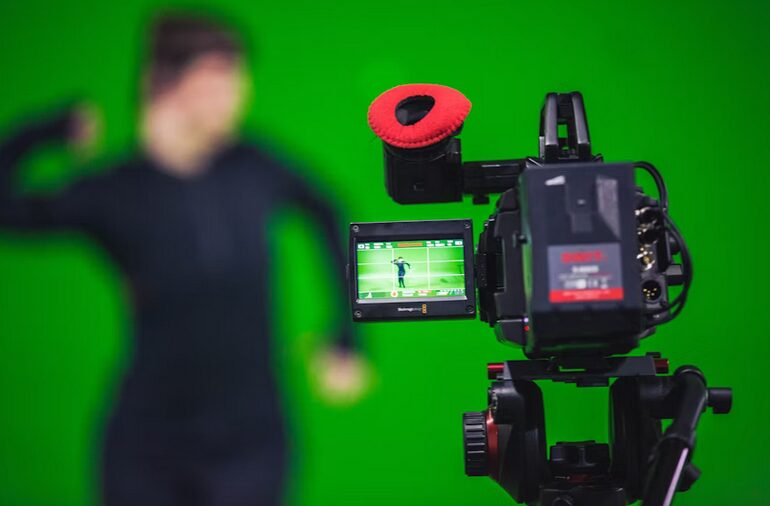
Think VFX is reserved for superhero flicks? Not anymore. Even rom-coms use CGI to clean up backgrounds, change skies, or remove those pesky bystanders staring into the camera. Bollywood films like Ra.One or Brahmāstra go all-in on visual spectacle. But even modest productions now include subtle digital tweaks. Backgrounds, crowds, weather, many of these are created digitally. And the software? We’re talking about powerhouses like Nuke, Houdini, and Autodesk Maya. They’re not just buzzwords; they’re becoming everyday tools for post-production teams across India.
Sound Is Finally Getting the Attention It Deserves
Sound used to be an afterthought. Now, it’s a design element. Dolby Atmos is no longer a rare luxury in Indian theaters. It’s a growing expectation. Films are mixed to create immersive audio landscapes, especially action and thriller genres. And with AI-based audio editing tools on the rise, things like noise reduction and voice isolation are quicker and more accurate. What used to take weeks can now happen in a few focused days.
Remote Collaboration Is the New Normal
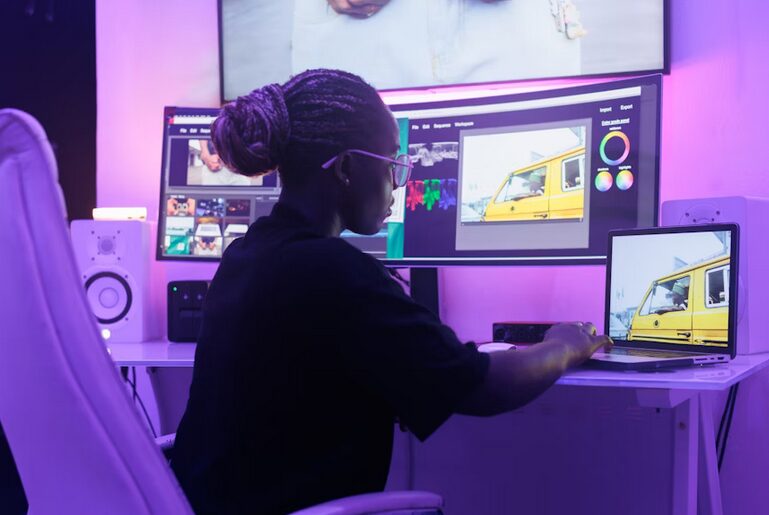
One of the biggest changes post-pandemic? Distance doesn’t slow things down. Editing, scoring, dubbing, and even VFX rendering are done across cities, or countries. Shared cloud systems allow teams to work on the same project without ever meeting face-to-face. A production house in Mumbai might have a colorist working out of London and a VFX consultant sitting in Singapore. It’s faster, cheaper, and gives filmmakers access to a wider talent pool. Geography no longer puts a limit on collaboration.
Pre-Visualization Tools Are Taking Over Old-School Storyboards
Imagine seeing a rough version of your entire film, even before the first actor says their line. That’s what previsualization, or “previs,” brings to the table. Directors now use 3D models and animation to map scenes, camera movements, and timing. It saves a ton of time on set. Less guesswork. Fewer surprises. And more budget control. It’s the kind of planning that used to exist only in big-budget Hollywood franchises. Now, it’s slowly filtering into mainstream Indian productions too.…
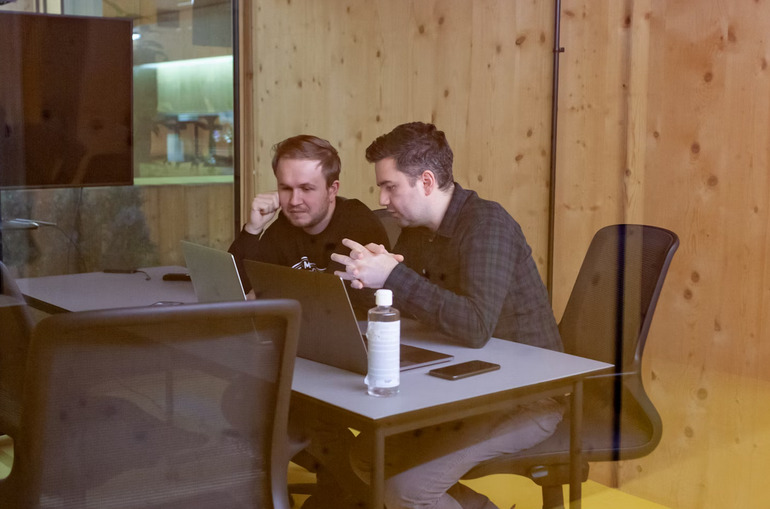




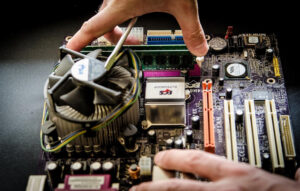 The first situation where seeking out IT support can help is when hardware or software malfunctions. This could include computers that won’t boot up, programs that are running slowly, and any other technical issue related to your hardware or software. Fixing these problems can be time-consuming, but professional IT support will have the knowledge and expertise to resolve them quickly and efficiently. If left unchecked, these problems can quickly become more serious and costly. Some will even prevent you from being able to use certain devices or software applications, thus hindering your business operations.
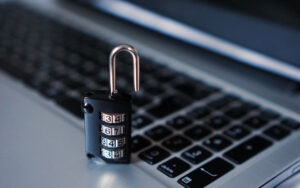 The fourth situation where professional IT support could prove invaluable is when you experience security issues. With cybercrime on the rise, businesses must be especially vigilant about protecting their data and systems from malicious attackers. An experienced IT team will be able to assess your current security measures and identify any potential weaknesses. They can then implement the necessary measures to help you protect your data from unauthorized access. It is known that cybercriminals now use many sophisticated methods, so it’s important to stay one step ahead of them.
 One of the main reasons to digitize your business is to cut costs. With paper documents, you have to worry about storage, printing, and shipping. Even if you’re using an off-site storage facility, it still costs money to keep your documents there. And if you ever need to retrieve them, it can be a hassle and quite costly. With digital documents, you can store them on your computer or in the cloud, which is much cheaper than renting out storage space.
 When it comes to paper documents, you’re limited by your location. If you’re in another city or country, it can be difficult and expensive to access them. It is especially true if you need to share them with someone not in the exact location as you. However, digital documents can be accessed from anywhere globally with an internet connection. You can also share them easily with anyone, regardless of their location.
 Aside from those two, another great reason to digitize your business is that it can help boost the quality of your customer service. With the help of customer relationship management (CRM) software, you can keep track of your customer interactions, including phone calls, emails, and live chats. You can also use CRM software to store important customer information, such as contact details and purchase history.
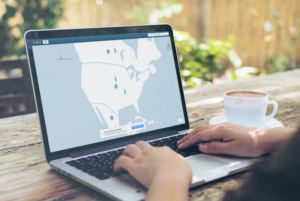 The first location tracking technology your small business should invest in is a GPS tracker. A GPS tracker is a device that uses the Global Positioning System to track the location of a person or thing. You can use a GPS tracker to track your employees to know where they are at all times. You can also use GPS tracking to track your company vehicles to see where they are and how they are being used. GPS tracking is an essential tool for any business that wants to track its assets and employees.
 The third and final location tracking technology your small business should invest in is RFID. RFID is a technology that uses radio waves to track the location of objects. You can use RFID to track your employees to see where they are at all times. You can also use RFID to track your company vehicles to see where they are and how they’re being used. RFID is an essential tool for any business that wants to be able to track its assets and employees. RFID is a great way to keep track of your employees because it doesn’t require them to carry anything.