
Mar
23
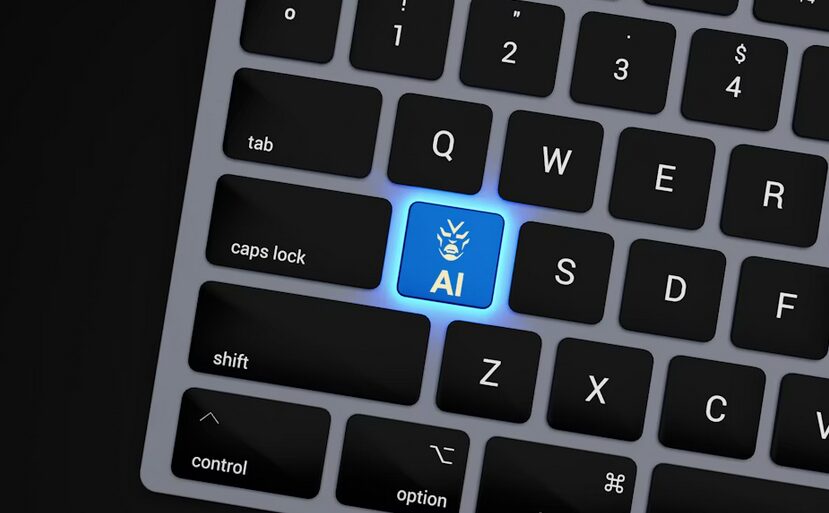
Synthetic data refers to information generated artificially rather than collected from real-world events or human activity. In the context of artificial intelligence, this type of data is generated by algorithms, simulations, or generative models that replicate patterns observed in real datasets. Modern AI systems require enormous amounts of data to learn effectively, but collecting and labeling real data can be time-consuming, expensive, and sometimes restricted by privacy regulations. Synthetic data offers an alternative by generating large volumes of training data that resemble real-world scenarios without directly exposing sensitive information. As machine learning models become more complex, the ability to generate reliable artificial datasets has become increasingly valuable for researchers and developers.
Expanding Data Availability for AI Training

One of the main advantages of synthetic data is its ability to expand the availability of training datasets. Many AI applications require diverse, extensive data to perform accurately, but real-world datasets may be limited or incomplete. Synthetic data generation allows developers to simulate rare situations, environmental variations, or uncommon patterns that may not appear frequently in real datasets. By supplementing existing information with artificially generated samples, developers can build more balanced and representative training sets. This expanded data availability improves AI models’ ability to recognize patterns, respond to unusual inputs, and maintain consistent performance across different conditions.
Addressing Privacy and Security Concerns

Data privacy and security concerns have become central issues in the development of artificial intelligence systems. Many industries handle sensitive information such as medical records, financial transactions, or personal user data. Using real datasets in AI training can raise ethical and legal challenges if personal information is exposed or misused. Synthetic data enables model training while reducing the risk of revealing identifiable details about individuals. Since the information is artificially generated, it can replicate statistical patterns without directly linking to specific people or events. This approach supports compliance with data protection regulations and helps organizations develop AI systems more responsibly and securely.
Supporting Testing and Model Evaluation

Synthetic datasets also play an important role in testing and evaluating artificial intelligence systems. Developers can design artificial environments that include controlled variables, simulated conditions, or specific scenarios to test a model’s performance at its limits. These controlled datasets make it easier to observe how algorithms respond to edge cases, unexpected inputs, or rare events. By systematically evaluating models using synthetic data, researchers gain deeper insights into the strengths and weaknesses of AI systems. This process helps improve reliability, reduce bias, and refine algorithms before they are deployed in real-world applications.
Synthetic data is becoming an increasingly important resource in the development of modern artificial intelligence systems. By expanding dataset availability, protecting sensitive information, and supporting controlled testing environments, synthetic data enables researchers and organizations to train more capable and reliable AI models. While challenges remain in ensuring data realism and accuracy, ongoing improvements in data generation technologies are helping address these limitations. As artificial intelligence continues to evolve, synthetic data will likely play an increasingly important role in shaping how AI systems are developed, tested, and deployed across a wide range of industries.…













 The first situation where seeking out IT support can help is when hardware or software malfunctions. This could include computers that won’t boot up, programs that are running slowly, and any other technical issue related to your hardware or software. Fixing these problems can be time-consuming, but professional IT support will have the knowledge and expertise to resolve them quickly and efficiently. If left unchecked, these problems can quickly become more serious and costly. Some will even prevent you from being able to use certain devices or software applications, thus hindering your business operations.
 The fourth situation where professional IT support could prove invaluable is when you experience security issues. With cybercrime on the rise, businesses must be especially vigilant about protecting their data and systems from malicious attackers. An experienced IT team will be able to assess your current security measures and identify any potential weaknesses. They can then implement the necessary measures to help you protect your data from unauthorized access. It is known that cybercriminals now use many sophisticated methods, so it’s important to stay one step ahead of them.
 One of the main reasons to digitize your business is to cut costs. With paper documents, you have to worry about storage, printing, and shipping. Even if you’re using an off-site storage facility, it still costs money to keep your documents there. And if you ever need to retrieve them, it can be a hassle and quite costly. With digital documents, you can store them on your computer or in the cloud, which is much cheaper than renting out storage space.
 When it comes to paper documents, you’re limited by your location. If you’re in another city or country, it can be difficult and expensive to access them. It is especially true if you need to share them with someone not in the exact location as you. However, digital documents can be accessed from anywhere globally with an internet connection. You can also share them easily with anyone, regardless of their location.
 Aside from those two, another great reason to digitize your business is that it can help boost the quality of your customer service. With the help of customer relationship management (CRM) software, you can keep track of your customer interactions, including phone calls, emails, and live chats. You can also use CRM software to store important customer information, such as contact details and purchase history.
 The first location tracking technology your small business should invest in is a GPS tracker. A GPS tracker is a device that uses the Global Positioning System to track the location of a person or thing. You can use a GPS tracker to track your employees to know where they are at all times. You can also use GPS tracking to track your company vehicles to see where they are and how they are being used. GPS tracking is an essential tool for any business that wants to track its assets and employees.
 The third and final location tracking technology your small business should invest in is RFID. RFID is a technology that uses radio waves to track the location of objects. You can use RFID to track your employees to see where they are at all times. You can also use RFID to track your company vehicles to see where they are and how they’re being used. RFID is an essential tool for any business that wants to be able to track its assets and employees. RFID is a great way to keep track of your employees because it doesn’t require them to carry anything.